Why Aurora Basements Face Unique Flooding Risks
Living in Aurora means enjoying four distinct seasons, but it also means your basement is under constant pressure from the weather. Spring snowmelt saturates the soil, and summer cloudbursts can dump inches of rain in a matter of hours. When that water has nowhere to go, it seeks the path of least resistance, and all too often, that path leads straight into your basement.
The problem is compounded by the region's clay-heavy soil, which drains slowly and holds water against your foundation walls long after the storm has passed. This prolonged exposure can weaken masonry, seep through cracks, and create the perfect conditions for a Basement Waterproofing emergency. Understanding these local risks is the first step toward keeping your lower level dry and your home's value intact.
Heavy Rain and Basement Leaks: What to Watch For
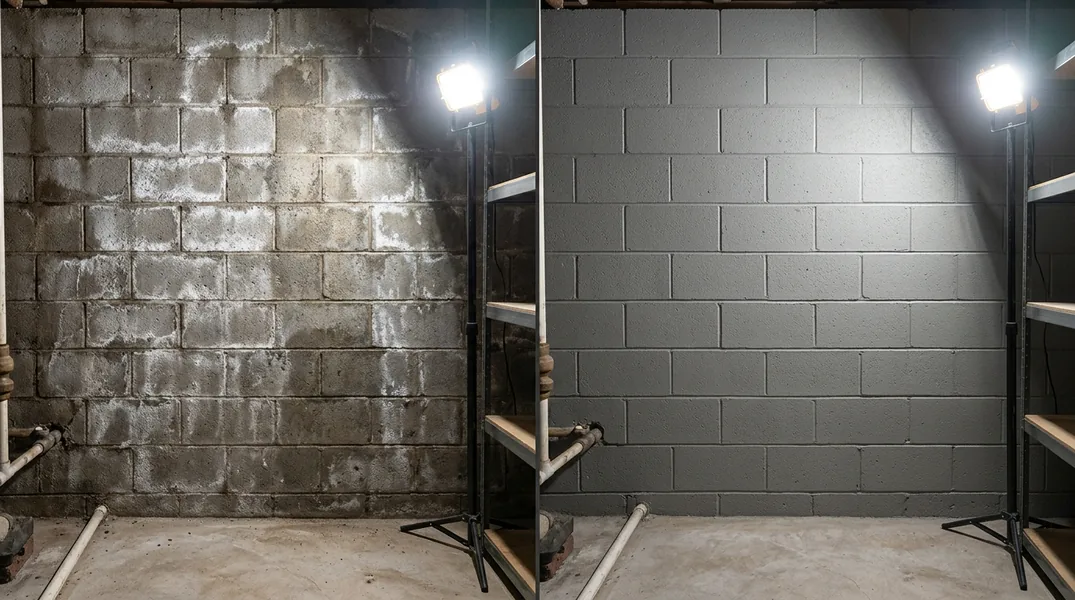
After a heavy downpour, many homeowners in North Aurora and surrounding areas notice dampness they did not expect. A heavy rain basement leak often announces itself with subtle clues: a musty odor, efflorescence (the white powdery residue on walls), or small puddles near the cove joint where the floor meets the wall. These signs should never be ignored, because they usually indicate that water is already finding a way through your foundation.
Ignoring a minor leak can lead to much bigger problems, including mold growth, damaged insulation, and compromised structural integrity. If you spot any of these warning signs, it is wise to schedule a professional inspection. A Foundation Waterproofing assessment can identify the source and recommend the right fix before a small issue becomes a costly repair.
Spring Thaw Basement Leaks: The Silent Threat
While summer storms get a lot of attention, the spring thaw can be just as destructive. As snow and ice melt, the ground becomes saturated, and hydrostatic pressure builds against your foundation. This pressure forces water through even the tiniest hairline cracks, leading to a spring thaw basement leak that may not be obvious until you notice a wet carpet or a peeling baseboard. Because the thaw happens gradually, many homeowners miss the early warning signs.
One of the most effective defenses against both thaw and rain is an Interior Drain Tile System, which captures water before it reaches your living space and directs it safely away. Combined with proper exterior grading and downspout extensions, this system can dramatically reduce the risk of spring flooding. For homes with more serious foundation issues, Exterior Basement Waterproofing may be the best long-term solution.
Flood Prevention Strategies Every Homeowner Should Know
Flood prevention starts with simple maintenance that any homeowner can handle. Keep gutters clean and make sure downspouts discharge at least six feet away from the foundation. Check the grading around your home; the soil should slope away from the walls, not toward them. These low-cost steps can make a meaningful difference in how much water reaches your basement during a storm.
For more robust protection, consider a sump pump with a battery backup, especially if you live in an area prone to power outages during severe weather. If you are in Montgomery or Sugar Grove, where water tables can run high, a professionally designed drainage system is often the most reliable safeguard. A local expert can evaluate your property and tailor a plan that fits your specific needs and budget.
Flooded Basement Cleanup: Act Fast to Minimize Damage
If water does get in, flooded basement cleanup should begin as soon as it is safe to do so. Standing water can damage flooring, drywall, and personal belongings within hours, and mold can start growing in as little as 24 to 48 hours. Start by removing water with a wet/dry vacuum or pump, then dry the space thoroughly with fans and dehumidifiers. Discard any porous materials that cannot be dried completely.
After cleanup, it is essential to address the underlying cause, or the problem will simply return with the next storm. A professional inspection can determine whether you need a sump pump upgrade, crack repair, or a full waterproofing system. Do not wait for the next cloudburst to find out. Call Aurora Waterproofing at (331) 210-0522 to schedule a free estimate and get a customized flood prevention plan for your home.
Basement Waterproofing Near Me: When to Call a Pro
Many homeowners try DIY fixes first, but some problems are best left to the professionals. If you have tried cleaning gutters, extending downspouts, and regrading, and you still see water, it is time to call in an expert. Persistent leaks, bowing walls, or recurring dampness are signs that your home needs a comprehensive solution, not a patch. A local contractor who understands Aurora's soil and weather patterns can save you time, money, and frustration.
When you search for basement waterproofing near me, look for a company with a proven track record and a willingness to explain your options clearly. Aurora Waterproofing offers transparent pricing and a no-pressure approach, so you can make an informed decision. Whether you need a simple repair or a full system, protecting your basement now is an investment in your home's future.
Looking for a professional basement waterproofing contractor in Aurora? Aurora Waterproofing responds fast for all your basement waterproofing needs.
Get a Free QuoteOur services: Basement Waterproofing · Interior Drain Tile System · Exterior Basement Waterproofing